Rust & Corrosion Control
Rust & Corrosion Control Solutions and Services
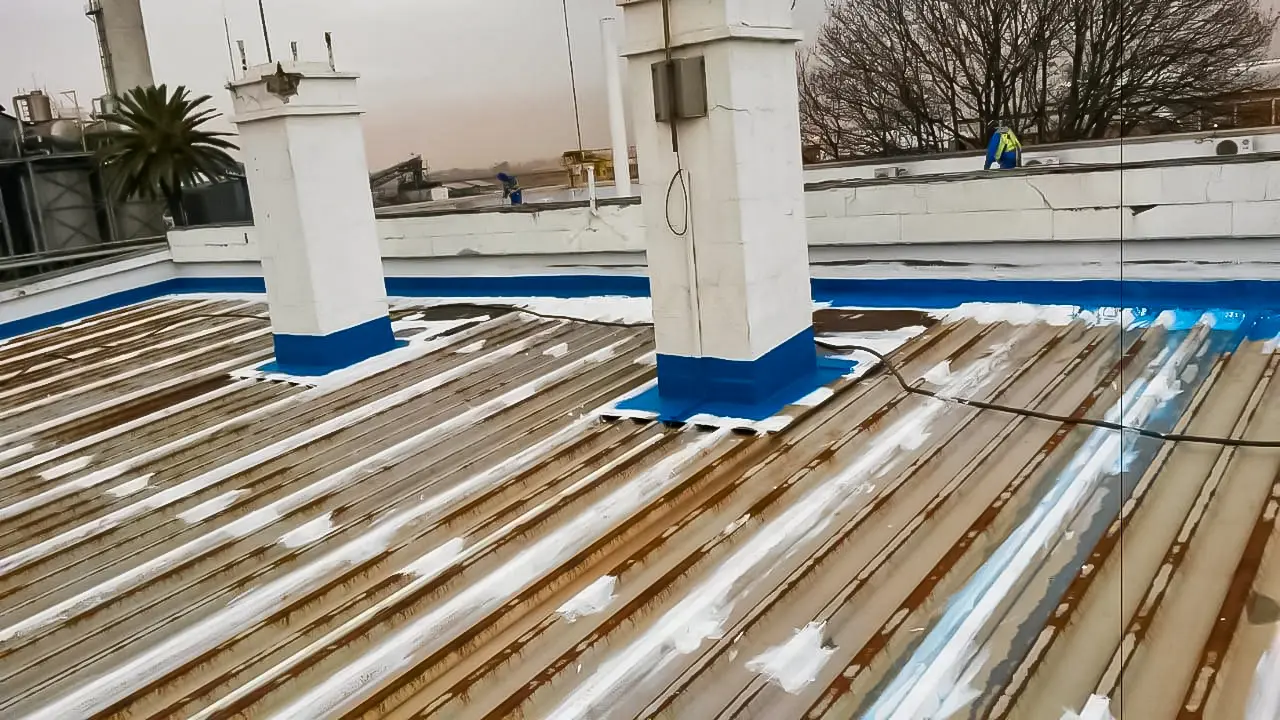
Rust is the slow, silent destroyer of industrial infrastructure. It creeps under coatings, works its way through steel sheeting, and quietly eats into gutters, fixings and structural supports long before anyone spots a leak. Left unchecked, it turns a manageable maintenance job into a full replacement. Sicon Group's rust and corrosion control services stop that process, treat what's already there, and keep it from taking hold again.
Why Steel Corrodes
Corrosion is simply steel reacting with oxygen and moisture — an electrochemical process that never stops while bare metal is exposed to the elements. Galvanising and coatings hold it off, but the moment that protective layer is breached — by a scratch, a failed coating or an unsealed fixing — the steel underneath starts to rust, and it spreads outward from there.
On an industrial roof, several things speed it up:
- Failed or damaged coatings that leave bare steel exposed to the weather
- Standing water from blocked or poorly designed drainage, which keeps steel wet for longer
- Salts and industrial fumes — coastal air and process emissions are highly corrosive
- Condensation under sheeting and insulation, wetting the metal from below
- Dissimilar metals in contact, which set up galvanic corrosion at the join
The Cost of Letting It Spread
Corrosion is progressive — it only ever gets worse, and more expensive. Caught early it's a treatment; left alone it becomes a replacement.
It Perforates the Sheeting
Surface rust becomes pitting, then holes. Once a sheet is perforated it leaks — and no coating will fix a hole.
It Attacks the Structure
Corrosion spreads from the sheets to purlins, fixings and supports — weakening the very parts that hold the roof up.
It Forces Replacement
Left long enough, treatment is no longer possible and full re-sheeting is the only option — many times the cost of early control.
How Sicon Controls Corrosion
Assessment & Diagnosis
We survey the full extent of the corrosion and — just as important — identify what's causing it: drainage, coating failure, condensation or galvanic contact. Treating the rust without fixing the cause only buys a few months.
Surface Preparation
Corroded areas are mechanically cleaned back to sound steel — wire-brushing, grinding or blasting — because any rust left behind simply carries on working under the new coating.
Treatment & Stabilising
Rust converters and corrosion inhibitors neutralise active rust and stabilise the treated steel, followed by an appropriate primer to key the surface for coating.
Protective Coating
A corrosion-resistant coating system seals the steel from moisture and oxygen — the barrier that keeps rust from returning to the treated area.
Fix the Cause & Maintain
Finally we correct whatever let the corrosion start — clearing drainage, resealing details — and set up a maintenance schedule so any new breach is caught while it's still small.
Prevention Is the Cheapest Cure
Corrosion never sleeps, so control is an ongoing job rather than a one-off. The most cost-effective protection is catching it before it spreads:
- Regular inspections that catch corrosion while it's still surface rust
- Drainage kept clear, so steel never sits in standing water
- The protective coating maintained before it fails, not after
- Scratches, breaches and unsealed fixings treated promptly
- A maintenance plan that keeps the whole roof under regular review
"Rust doesn't stop on its own — it only spreads. Every month a corroded roof is left untreated, the repair gets bigger and the bill gets larger. The cheapest time to deal with corrosion is always now."
Stop Corrosion Before It Spreads
If rust is showing on your roof, cladding or structure, the clock is already running. Contact Sicon Group for a corrosion assessment — nationwide.
Contact Sicon Group